Tackling Skin Changes in Perimenopause



Area
Very Dry SkinKey Takeaways
- Perimenopause skin changes often start in your 40s. Expect dryness, sensitivity, and reduced elasticity as estrogen declines.
- Keep routines simple. Use a gentle hydrating cleanser, add moisture at every step, wear SPF, and avoid wipes and hot showers.
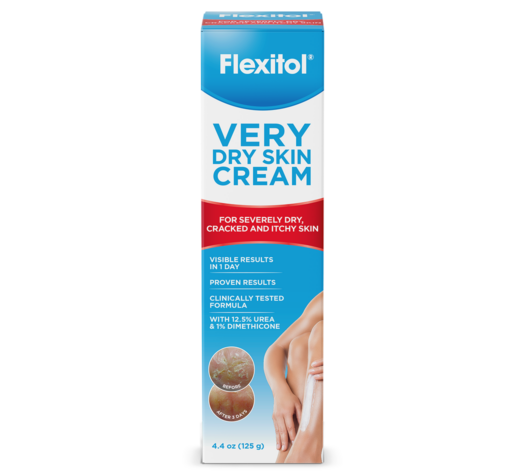
- Consider options like MHT with your GP. Support skin with hydration inside and out, and choose fragrance free, sulphate free products such as Flexitol’s Very Dry Skin Cream.
As women approach perimenopause, often beginning in their late 30s to early 40s, skin changes can become one of the more noticeable symptoms. These changes are primarily due to a decline in estrogen levels, which can significantly affect the skin’s moisture, elasticity, and overall appearance.
Common Skin Changes in Perimenopause
The decline in estrogen during perimenopause can lead to several skin changes, such as:
- Dryness and Sensitivity: Estrogen helps the skin retain moisture, and its decrease can lead to dryness, itching, and sensitivity.
- Loss of Elasticity and Sagging: Reduced collagen production can cause the skin to become thinner, lose firmness, and begin sagging.
- Fine Lines and Wrinkles: Lower hydration and collagen levels contribute to the appearance of fine lines.
- Pigmentation Changes: Hormonal shifts can lead to dark spots or uneven skin tone.
How to Care for Your Skin During Perimenopause
Managing perimenopausal skin requires a simple yet effective skincare routine. Here’s how you can address the dryness, loss of elasticity, and other concerns:
- Hydration Is Key: Since skin becomes drier during perimenopause, it’s essential to use products that hydrate and lock in moisture. Flexitol Very Dry Skin Cream is a great option for deeply hydrating skin. It provides intense moisture to dry, sensitive skin and helps restore its natural softness and texture.
- Choose Gentle, Non-Irritating Products: When your skin becomes more sensitive, opt for gentle, fragrance-free products. Avoid harsh chemicals that can further irritate the skin. Flexitol has a range of products ideal for sensitive skin, offering soothing, non-greasy formulas that can be used daily.
- Use a Hydrating Cleanser: Cleanse your face with a mild, hydrating cleanser to avoid stripping your skin of natural oils.
- Avoid Hot Showers: Hot water can further dry out the skin. If you enjoy warm showers, always follow up with a rich moisturizer, which helps replenish moisture and provides lasting hydration.
- Don’t Skip Sunscreen: Hormonal changes can make skin more sensitive to the sun. Always apply a broad-spectrum sunscreen after moisturizing to protect your skin from harmful UV rays.
- Consult with Your GP: If you’re experiencing significant skin changes, it may be worth discussing options like Menopausal Hormone Therapy (MHT) with your healthcare provider to support your skin’s health from the inside out.
Conclusion
Perimenopause can be a challenging time for your skin, but the right products and routine can make a significant difference. Flexitol Very Dry Skin Cream provides targeted relief for dry, sensitive skin, making it a great addition to your skincare regimen during this time. Hydrating, soothing, and protecting your skin is essential to maintaining its health and appearance through this transition.
FAQs
The first signs of perimenopausal skin changes often include dryness, increased sensitivity, and a loss of elasticity. You may also notice fine lines and wrinkles starting to appear, as well as uneven skin tone or pigmentation changes. Using a deeply hydrating product like Flexitol Very Dry Skin Cream can help manage these early signs by restoring moisture and keeping the skin smooth and hydrated.
During perimenopause, the decline in estrogen levels can impair the skin’s ability to retain moisture. Estrogen plays a key role in maintaining the skin’s hydration levels, and when these decrease, skin can become drier and more sensitive.
For a simple skincare routine during perimenopause, focus on hydration and gentle care. Start by cleansing with a mild, hydrating cleanser and then apply Flexitol Very Dry Skin Cream to lock in moisture and protect your skin from further dehydration. Don’t forget to include a broad-spectrum sunscreen to protect your skin from UV damage, as hormonal changes can make your skin more sensitive to the sun.
Menopausal Hormone Therapy (MHT) can help address some of the skin-related effects of perimenopause by restoring hormonal balance, which may improve skin hydration and elasticity.