What is Dermatillomania? A Guide to Skin Picking Disorders


Area
Very Dry SkinKey Takeaways
- Dermatillomania is a Compulsive Skin Picking Disorder: Dermatillomania is a mental health condition that leads to compulsive skin picking, recognized by leading psychiatrists as a Body-Focused Repetitive Behavior (BFRB).
- Affecting 2-5% of the Population: Dermatillomania can be triggered by factors such as stress, brain function, and other co-occurring conditions. It’s important to seek professional treatment for managing both the psychological and physical aspects.
- Specialized Treatment is Available: Dermatillomania can be managed with professional therapy, including Cognitive Behavioral Therapy (CBT) and Habit Reversal Training (HRT). Early intervention helps improve outcomes and skin recovery.
- Flexitol Products for Skin Healing: Flexitol Lip Balm and Flexitol Very Dry Skin Cream can help soothe, repair, and protect the skin after picking, offering intensive hydration and barrier repair to support the healing process.
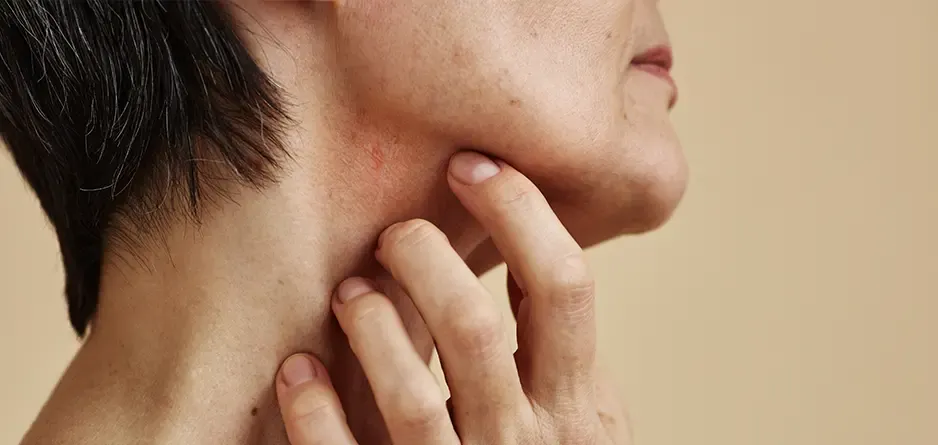
Dermatillomania, also known as Excoriation Disorder or Compulsive Skin Picking, is a mental health condition that leads to the compulsive picking, scratching, or squeezing of one’s skin. While everyone may occasionally pick at a scab or blemish, for some, this urge becomes overwhelming and difficult to control. It can cause significant skin damage and emotional distress.
What is Dermatillomania?
Dermatillomania is classified as a Body-Focused Repetitive Behavior (BFRB), characterized by recurrent skin picking that results in noticeable damage such as lesions, scabs, and scars. This behavior causes significant distress and can interfere with daily life. Dermatillomania typically begins in adolescence but can emerge at any age, affecting 2-5% of the population, especially females.
Symptoms of Dermatillomania
The signs of Dermatillomania include both physical and emotional indicators. These are some of the most common symptoms:
- Compulsive Skin Picking: Repeatedly picking at skin using fingers, nails, or tools like tweezers, often on the face, lips, or hands.
- Visible Skin Damage: Persistent scabs, cuts, scars, and infections caused by the picking.
- Failed Attempts to Stop: A cycle of trying to stop the behavior without success.
- Emotional Distress: Feelings of shame, anxiety, or embarrassment due to the visible skin damage.
- Impact on Daily Life: Skin picking that disrupts work, social interactions, or other daily activities.
Causes of Dermatillomania
The exact causes of Dermatillomania are not fully understood but are believed to involve a combination of biological, psychological, and environmental factors:
- Genetic Factors: Research suggests an inherited tendency for BFRBs, including skin picking disorder
- Psychological Factors: Stress, anxiety, and emotional tension often trigger the urge to pick, providing temporary relief or a sense of control.
- Perfectionism: The urge to smooth out perceived skin imperfections can drive the behavior.
- Brain Differences: Studies show that differences in brain function related to impulse control may play a role.
- Co-occurring Conditions: Dermatillomania is often associated with other conditions such as OCD, depression, and body dysmorphic disorder.
Finding Treatment for Dermatillomania
While professional treatment is essential for managing Dermatillomania, self-care is also important. Cognitive Behavioral Therapy (CBT) and Habit Reversal Training (HRT) are proven therapies that can help manage the urge to pick. In some cases, medications like SSRIs are prescribed to reduce the frequency of skin picking.
Supporting Skin Healing
For those with Dermatillomania, maintaining skin health is critical. Picking often targets the lips, which can lead to cracking and dryness. Flexitol Lip Balm is an excellent option for hydrating and repairing lips affected by picking. It provides:
- Hydration & Repair: Deeply moisturizes lips, helping to restore the skin barrier.
- Flaky Skin Removal: Contains 2.5% urea, which gently exfoliates flaky skin, reducing the temptation to pick.
- Fast-Acting Relief: Quickly alleviates dryness and discomfort, offering immediate relief.
- Protection: Creates a barrier against environmental factors, helping lips retain moisture.
For overall skin health, particularly for dry or irritated skin, Flexitol Very Dry Skin Cream can provide the intense hydration needed to promote skin healing. It’s formulated to deeply moisturize and protect the skin, making it ideal for those recovering from skin damage due to picking.
Coping Tips for Dermatillomania
In addition to professional treatment, these self-care tips may help reduce the urge to pick:
- Keep Hands Busy: Fidget toys, knitting, or other activities can help redirect the hands.
- Identify Triggers: Pay attention to emotional or environmental triggers that lead to skin picking.
- Manage Urges: Practice relaxation techniques like deep breathing to manage the compulsion.
- Trim Nails: Keeping nails short can reduce the ability to pick at the skin.
Conclusion
Dermatillomania is a challenging condition, but with the right treatment and support, skin health can be restored. Using products like Flexitol Lip Balm for hydration and healing, along with Flexitol Very Dry Skin Cream for overall skin care, can help manage the skin’s recovery process while you work through professional treatment. Remember, you’re not alone in this journey, seek support and take steps to protect your skin and well-being.
FAQs
While Dermatillomania shares similarities with OCD, they are separate conditions. Dermatillomania is classified as a Body-Focused Repetitive Behavior (BFRB) in the DSM-5, whereas OCD involves persistent, intrusive thoughts and compulsive behaviors. Dermatillomania often co-occurs with OCD, but it has its own diagnostic criteria and treatment approaches.
In some cases, symptoms of Dermatillomania may lessen over time, but most people benefit from professional treatment, such as Cognitive Behavioral Therapy (CBT) and Habit Reversal Training (HRT). Early intervention improves outcomes and supports both mental health and skin recovery.
Deeply hydrating and barrier-repairing products, like Flexitol Lip Balm and Flexitol Very Dry Skin Cream, are ideal for supporting recovery. These products help soothe, repair, and protect compromised skin, providing intensive moisture and helping to restore the skin’s natural barrier.
Check out Flexitol Christmas Skincare Gift ideas for your loved ones! Or explore our full lip balm and lip tint collection to find your perfect match.