The Science of Lip Masks


Area
Chapped LipsIn the world of skincare, lip care often takes a back seat to facial routines, but the delicate skin on our lips deserves just as much attention and pampering. Enter the world of lip masks, a trend that has taken the skincare industry by storm. But what exactly is the science behind these treatments, and how do they contribute to achieving plump, supple lips, and do lip sleeping masks work? In this in-depth exploration, we’ll unravel the science of lip masks, looking at their ingredients, benefits, and the secrets to smoother, softer lips.
Understanding the Anatomy of Lips
Before we dive into the science of lip masks, it’s essential to understand the unique structure of our lips. Unlike the skin on the rest of our face, lip skin is thinner and lacks oil glands, making it more susceptible to dryness and dehydration. The absence of a protective outer layer means that lips can easily lose moisture, leading to chapping, flaking, and the development of fine lines.
Lip Mask Ingredients that Make Magic Happen
The effectiveness of lip masks lies in their carefully curated ingredients, each chosen for its specific benefits. Let’s explore the key components that make these masks a powerhouse for lip care.
Hyaluronic Acid
A star player in the world of skincare, hyaluronic acid is a hydrating superhero. Known for its ability to attract and retain moisture, hyaluronic acid helps plump and hydrate the lips, ensuring you wake up to your lips feeling luxuriously moisturized.
Ceramide Complex, Rejuvenating the Lip’s Natural Barrier
The ceramide complex fortifies the lip’s natural barrier, actively repairing and strengthening to combat dryness and protect against environmental stressors.
Collagen & Peptide Complex, Softness and Fullness
Experience softer, fuller looking lips with the collagen and peptide complex. This dynamic duo helps smooth the lip surface and promotes a visibly plump appearance.
Antioxidant, Essential Vitamins and Rejuvenation
An antioxidant-rich infusion of essential vitamins rejuvenates and repairs lips, helping to defend them from environmental damage caused by pollution and other aggressors.
Urea, Gently Exfoliating Dead Skin Cells
Urea’s gentle exfoliation bids farewell to dead skin cells, ensuring a smooth canvas for the mask’s benefits and leaving lips soft. Learn more about how it works in Urea in Skincare: The Ultimate Guide.
The Lip Mask Ritual
The application of lip masks goes beyond the mere act of moisturizing; it’s a ritual that involves specific techniques to maximize their effectiveness. For a fuller list of what that routine delivers, see 6 Benefits of Overnight Lip Masks.
Before applying a lip mask, gentle exfoliation helps remove dead skin cells, allowing the mask’s active ingredients to penetrate more effectively. You can use a lip scrub or a soft toothbrush to exfoliate, revealing a smoother canvas for the mask. But if your lip mask already does this step, swiftly move on to step two.
The method of application is crucial. Most lip masks come in the form of balms or gel-like patches. Gently apply the mask to your lips, ensuring it covers the entire lip area. Some masks are designed to be left on for an extended period, while others are meant for a quick pampering session.
Incorporating a massage during the application process helps stimulate blood circulation, promoting better absorption of the mask’s ingredients. Use circular motions with your fingertips to gently massage the mask into your lips.
One often underestimated aspect of lip masking is the power of relaxation. Take this time to unwind, allowing the mask to work its magic while you indulge in a moment of self-care.
Benefits of Lip Masks
Intense Hydration
The primary goal of lip masks is to provide intense hydration. The carefully chosen ingredients work together to replenish moisture and lock it in, preventing dryness and chapping.
Fuller Looking Lips
Collagen and peptides contribute to a fuller looking effect, giving the lips a fuller appearance. This is especially beneficial for those looking to enhance the look of their lips without resorting to invasive procedures.
Smoother Texture
The hydrating properties of lip masks help smooth out rough, flaky texture, creating a softer, more comfortable lip surface.
Preventing Environmental Damage
Antioxidants in lip masks act as a shield against environmental damage, helping to protect the delicate lip skin from factors like pollution.
Enhancing Lip Definition
By improving hydration and the appearance of lip volume, lip masks contribute to a more defined lip shape, creating a naturally appealing look.
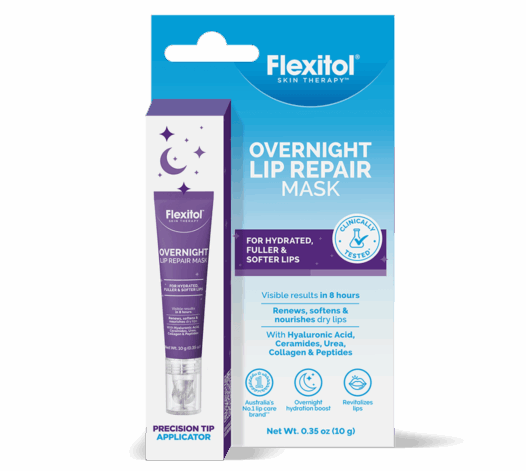
Flexitol Overnight Lip Repair Mask
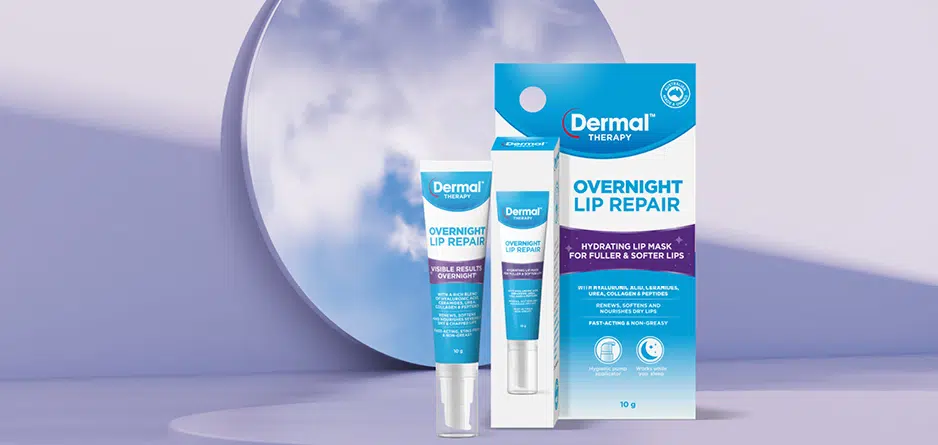
The Flexitol Overnight Lip Repair Mask is an intensive yet lightweight lip treatment that works to deeply nourish and hydrate your lips while you sleep. It has been formulated with a unique blend of ingredients:
- Hyaluronic Acid to restore lip moisture
- Ceramide complex to repair the lip’s natural barrier
- Collagen & Peptide complex to help with softer and fuller looking lips
- Antioxidant and essential vitamins to rejuvenate and repair the lips from damage
- Urea to gently exfoliate dead skin cells
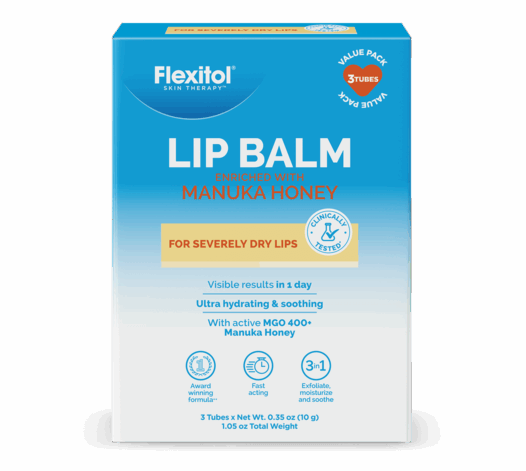
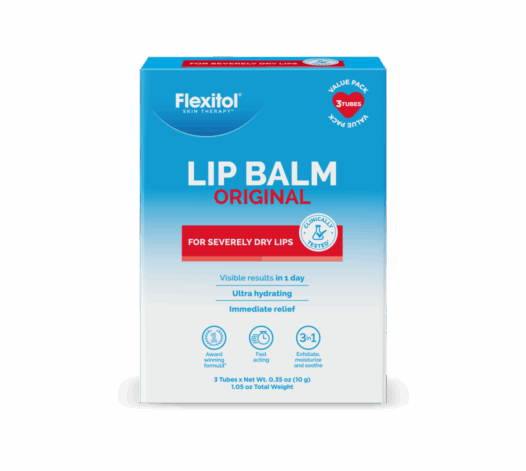
Coming soon to the US. In the meantime, explore our lip balm and lip tint collection, or read Lip Masks vs. Lip Balms: What’s the Difference? to work out which suits your routine.
To Sum Up
The science of lip masks is a blend of skincare expertise and a commitment to addressing the unique needs of the delicate lip skin. With a carefully curated mix of hydrating, smoothing, and protective ingredients, lip masks offer an effective solution for achieving plump, supple lips. Incorporating a lip mask ritual into your skincare routine is not just about vanity; it’s a celebration of self-care, allowing you to indulge in a moment of relaxation while giving your lips the attention they truly deserve.
So, pucker up and let the science of lip masks unveil the secrets to your softest, smoothest lips.
If you’re interested in learning more, check out our latest blogs on 6 Benefits of Overnight Lip Masks, Do Lip Sleeping Masks Work? and Lip Masks vs. Lip Balms: What’s the Difference?